The Angolan government announced Saturday that it will send a military unit to support peacekeeping operations in the Democratic Republic of Congo (DRC), after the failure of the ceasefire with the rebel group March 23 Movement (M23).
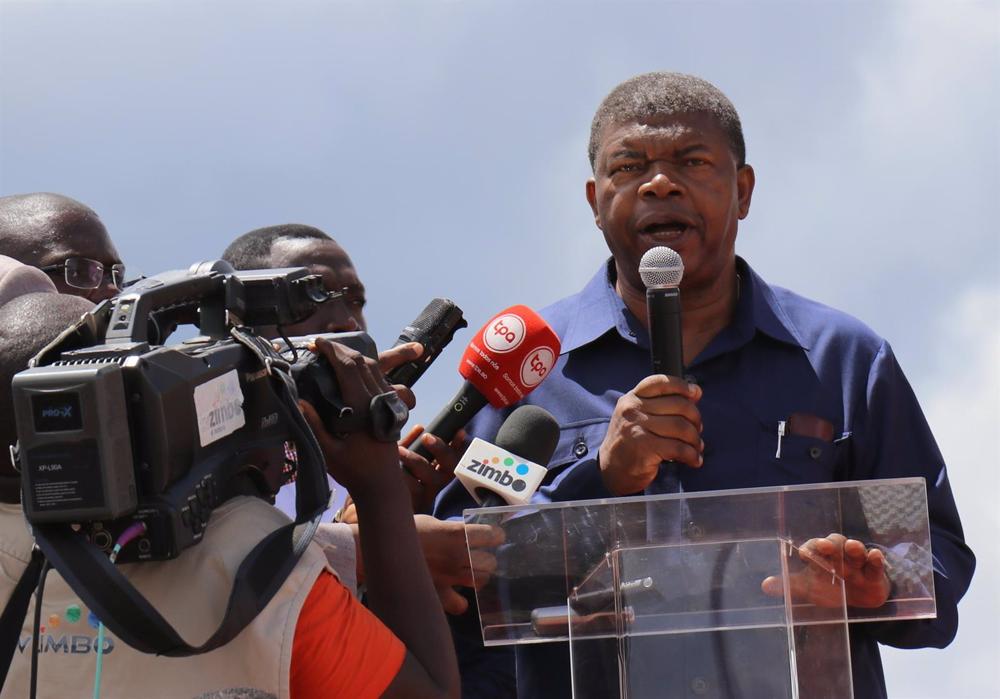
In the context of the decisions taken by the various mini-summits on the peace and security process in the DRC, in accordance with its responsibility as mediator in the framework of the Luanda Process and after consultation with the Congolese authorities, Angola will send a contingent unit to support peacekeeping operations of the Angolan Armed Forces,» reads a statement from the Presidency of the country.
According to the letter, the main objective of the unit is »to secure the areas where the M23 members are stationed and to protect the members of the Ad Hoc Verification Mechanism».
On the other hand, the Angolan authorities have communicated the decision to the United Nations as well as to the African Union and the Economic and Monetary Community of Central Africa (CEMAC). They will also request from the National Assembly »the corresponding authorization to that effect».
The DRC Army accused on Tuesday the M23 of violating the cease-fire which came into force on the same day and which was intended to »open the way to a direct dialogue» with the Congolese government to try to reach a peace agreement. The decision of the truce, according to the M23, was in line with the results of the contacts held in Angola and »the decisions taken at different regional summits» in Burundi, Kenya and Ethiopia.
The rebel group is mainly made up of Congolese Tutsis and operates mainly in North Kivu province. Following a conflict between 2012 and 2013, DRC and the group signed a peace agreement in December. In the fighting, the DRC Army was supported by UN troops.
The group launched a new offensive in October 2022, which intensified in November, sparking a diplomatic crisis between the DRC and Rwanda over its role in the conflict. UN experts pointed in December to the existence of »substantial evidence» of a »direct intervention» of the Rwandan army in the conflict.
They also highlighted collusion between the Congolese army and various armed groups, including the Democratic Forces for the Liberation of Rwanda (FDLR) and the Mai-Mai, to combat the M23, including a proposal by armed groups to «mobilize 600 fighters» to reinforce the ranks of the armed forces.
Rwanda has accused the DRC of supporting the FDLR — an armed rebel group founded and composed mainly of Hutus responsible for the 1994 genocide in Rwanda — and of using the Mai-Mai militias — Congolese nationalist militias formed to defend their tribal territory against the numerous rebel groups active since the 1990s — in the framework of the conflict. It has also denounced discrimination and acts of hatred against the Tutsi minority in the neighboring country.
Source: (EUROPA PRESS)