The World Food Program (WFP) warned Friday that it may be forced to suspend its operations for the benefit of one million people in northern Mozambique by February 2023 due to lack of funds, given the possibility of a famine in this area of the African country.
The director of the WFP in Mozambique, Antonella D’Aprile, has indicated that the decision should be taken «unless additional funds are urgently received» before the peak of the «hunger season» in the country, estimated for the month of February.
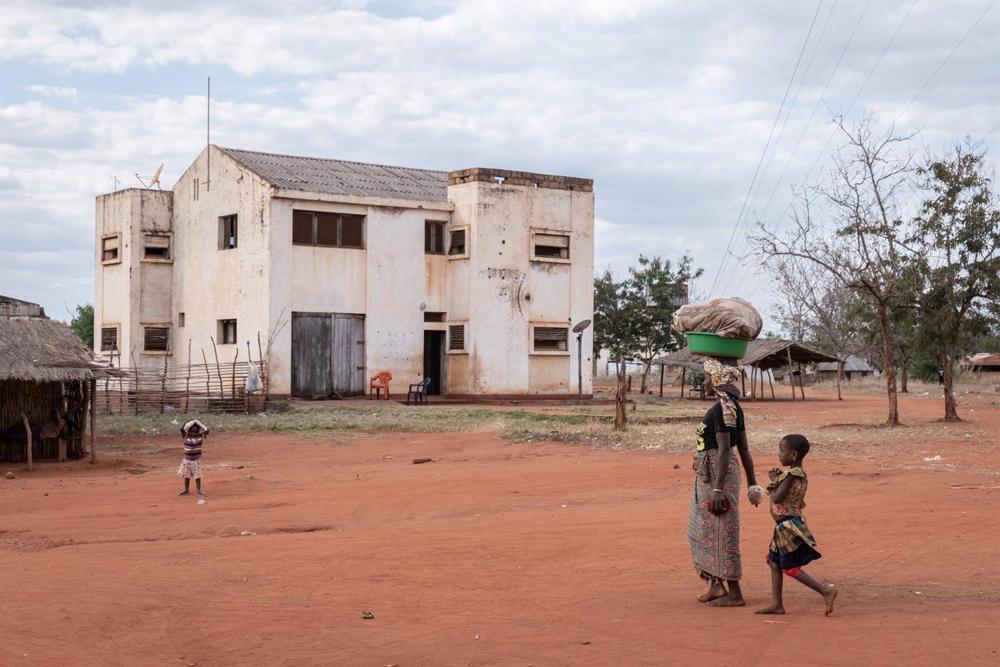
She recalled that the province of Cabo Delgado, shaken by insecurity due to the operations of jihadist groups, is the «most food insecure» and added that the situation «continues to deteriorate».
«About 1.15 million people in the province suffer from hunger ‘crisis’ or ‘emergency’ and the latest data indicate that the situation could deteriorate further,» said D’Aprile, who also recalled that violence has intensified in recent months with «unprecedented attacks» in districts near the capital, Pemba, and the province of Nampula.
These attacks have provoked new population displacements, with about one million internally displaced people in the last two years, despite which WFP «has been delivering emergency assistance to one million displaced people, also in previously inaccessible areas such as Macomia, Muidumbe, Nangade, Palma and Quissanga, although it has had to cut rations during the last months».
«While working to meet the needs of the most vulnerable, WFP is also working to increase resilience building activities among vulnerable communities, supporting 44,000 people in land recovery and production in Cabo Delgado,» he explained, according to a statement released by the agency.
In this regard, he stressed that «WFP is also providing nutritional supplements to prevent and treat malnutrition among children under five and pregnant and lactating women,» before stressing that the situation of the agency «has been worrying for some time» and that «they are running out of options» to maintain its operations.
«In addition to the challenges in funding relief operations, WFP faces a lack of funding for the United Nations Humanitarian Air Service (UNHAS), for which it has requested a total of $51 million (a similar figure in euros) to sustain its operations.
Finally, D’Aprile stressed that WFP «will strive to maintain vital assistance to the most vulnerable groups, including the most malnourished, malnourished children, pregnant and lactating women», although he warned that «there are many who will not be helped unless additional funds are urgently received».
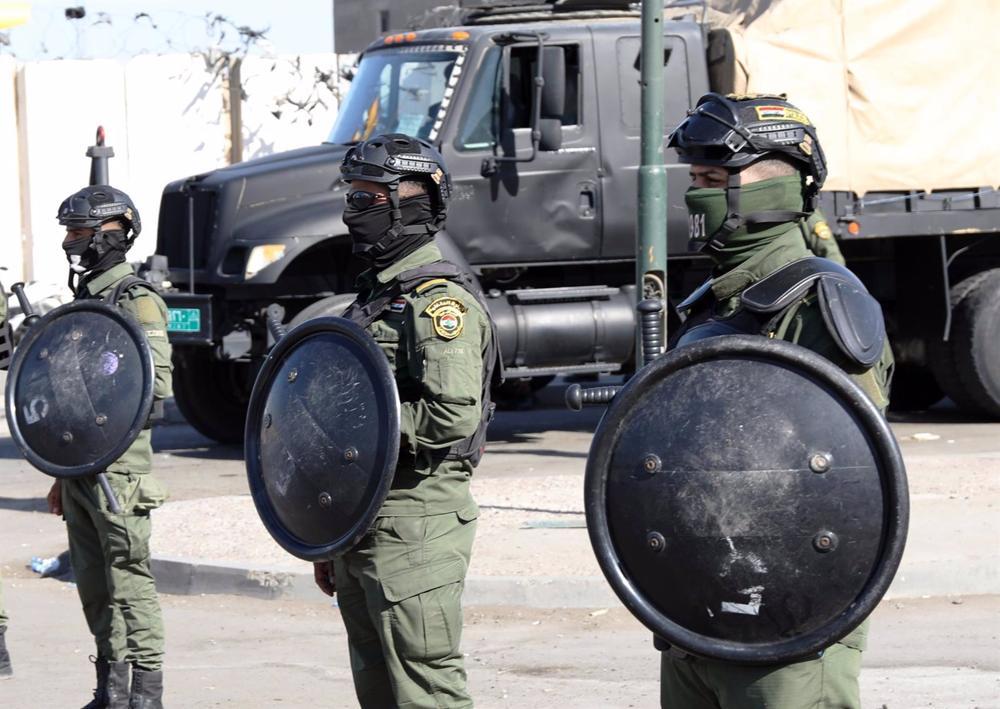
The Mozambican authorities have highlighted in recent months an improvement in the security situation in the area due to joint operations with Rwandan special forces and troops deployed by the Southern African Development Community (SADC), although the humanitarian crisis remains very serious.
Cabo Delgado has been the scene since October 2017 of attacks by Islamist militiamen known as Al Shabaab, unrelated to the eponymous group operating in Somalia with ties to Al Qaeda. Since mid-2019 they have been mostly claimed by Islamic State in Central Africa (ISCA), which has stepped up its actions since March 2020.