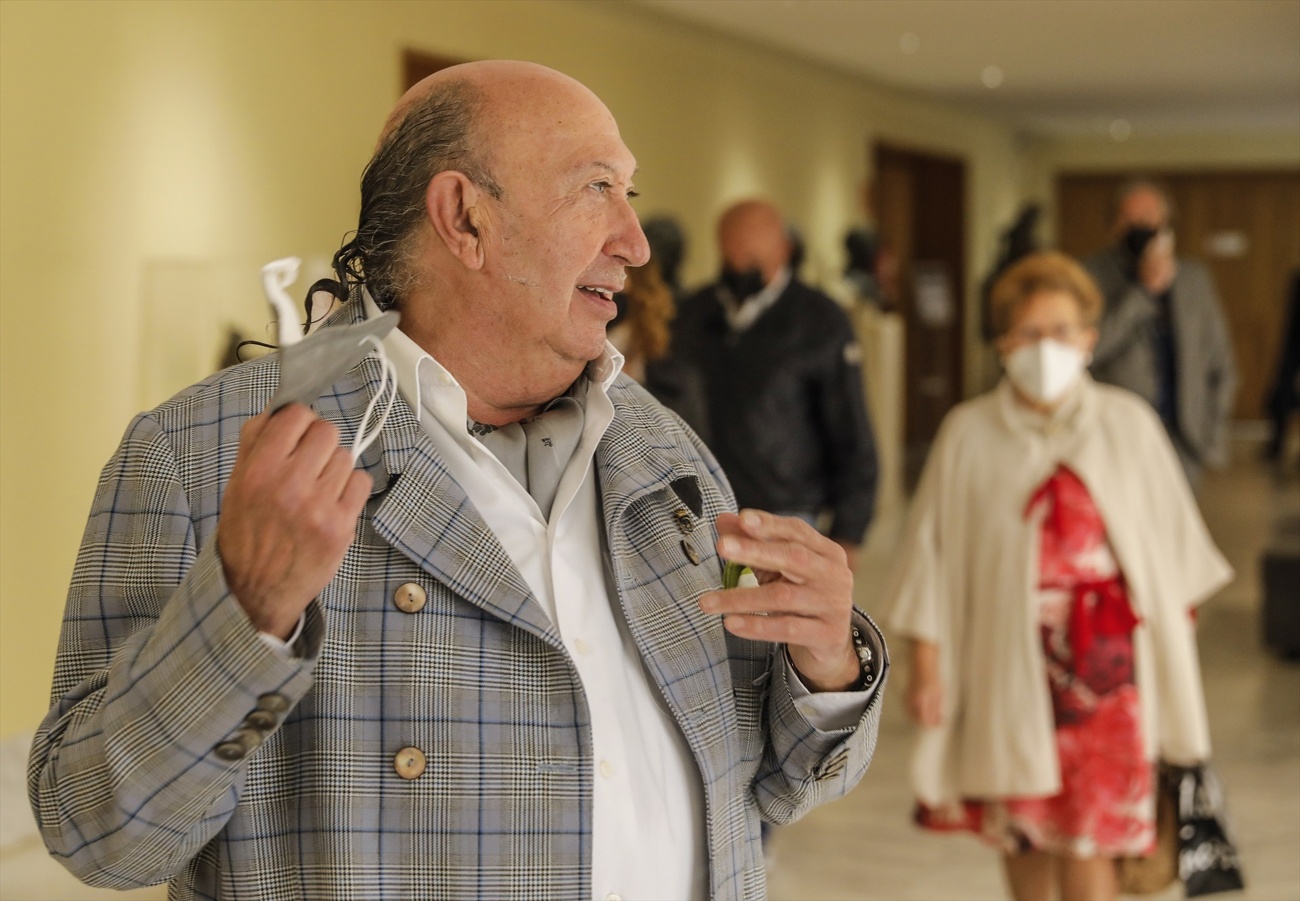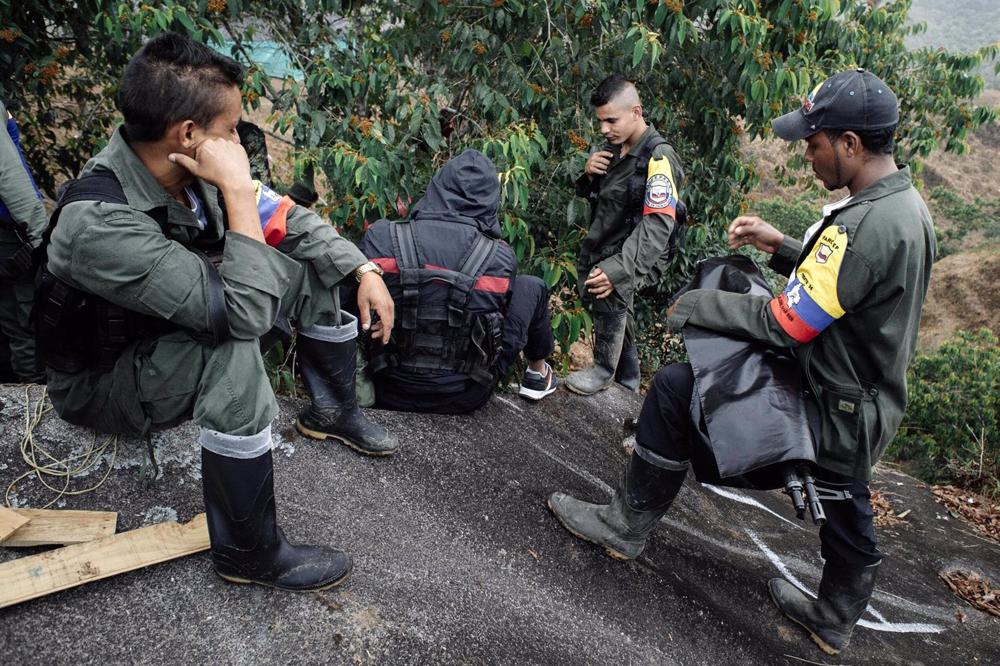
The Special Jurisdiction for Peace (JEP) has clarified that the amnesty granted for the crime of rebellion to Rodrigo Granda, considered ‘the chancellor of the FARC’, does not prevent him from continuing to be investigated in the almost thirty open cases he has for crimes committed during his time in the now disbanded guerrilla group.
In view of the uproar caused this week by his amnesty when it considered that there was no evidence to charge him with rebellion, a recurrent maneuver against former members of irregular armed groups, the JEP has clarified that he will continue to be investigated in the framework of two other cases before the court that emerged after the 2016 peace accords.
Thus, Granda, also known as ‘Ricardo Téllez,’ has 25 proceedings pending within Case 10, which investigates crimes committed by the FARC during the armed conflict and which are not subject to amnesty, as well as two others in Case 7, which deals with the recruitment of minors.
In turn, the Amnesty Chamber has also asked the JEP prosecutors for information on another thirteen cases in which Granda could be implicated and which have not been referred by the ordinary justice system, reports Caracol Radio.
The figure of ‘Ricardo Tellez’ became more popular worldwide after his arrest in 2004 provoked a small diplomatic crisis between Hugo Chavez’s Venezuela and Alvaro Uribe’s Colombia, following an unofficial operation by Colombian authorities in Venezuelan territory.
Already in October 2021 he was arrested in Mexico when he was going to participate in a congress of political forces of the left, after Paraguay activated an Interpol red notice for his alleged relationship in the kidnapping and murder in 2005 of Cecilia Cubas Gusinky, daughter of former Paraguayan president Raul Cubas. He was eventually returned to Colombia.