The United Nations High Commissioner for Human Rights, Volker Türk, on Wednesday called for an extension to halt the deportation of refugees and migrants from Burma due to the severe humanitarian crisis and fundamental freedoms suffered by the population after the military coup of February 2021.
«With the increasing levels of violence and instability, and the collapse of Burma’s economy and social protection systems, this is not the time to send anyone back,» Türk said, following news that more than 100 Burmese nationals who had sought protection through UNHCR, the UN refugee agency, were deported on October 6.
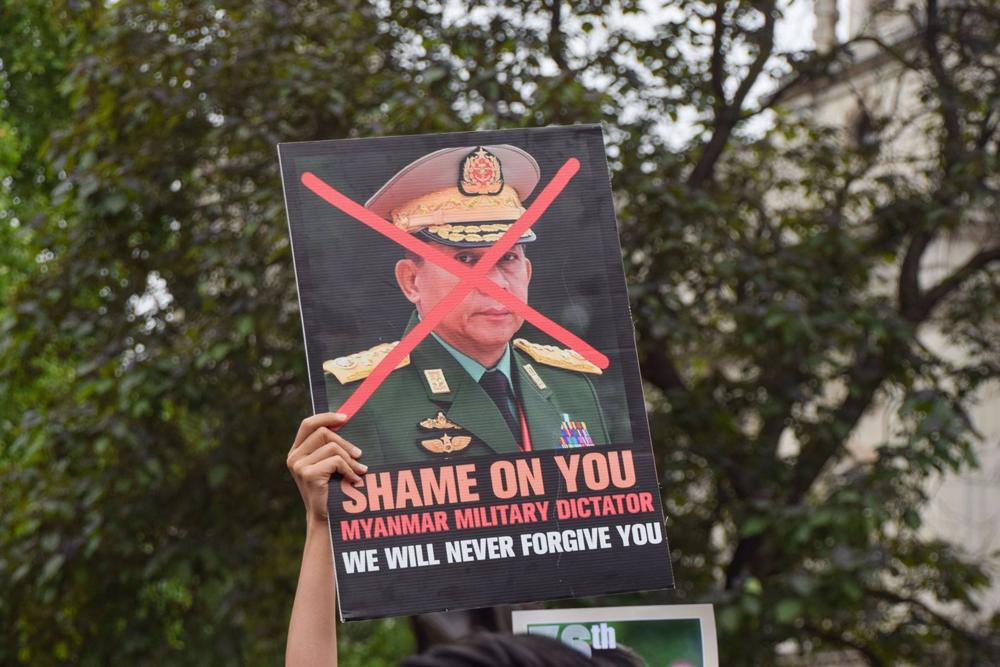
Türk explained that most of these cases are of political activists, opponents of the military junta and even army deserters, so their return puts them in «grave danger».
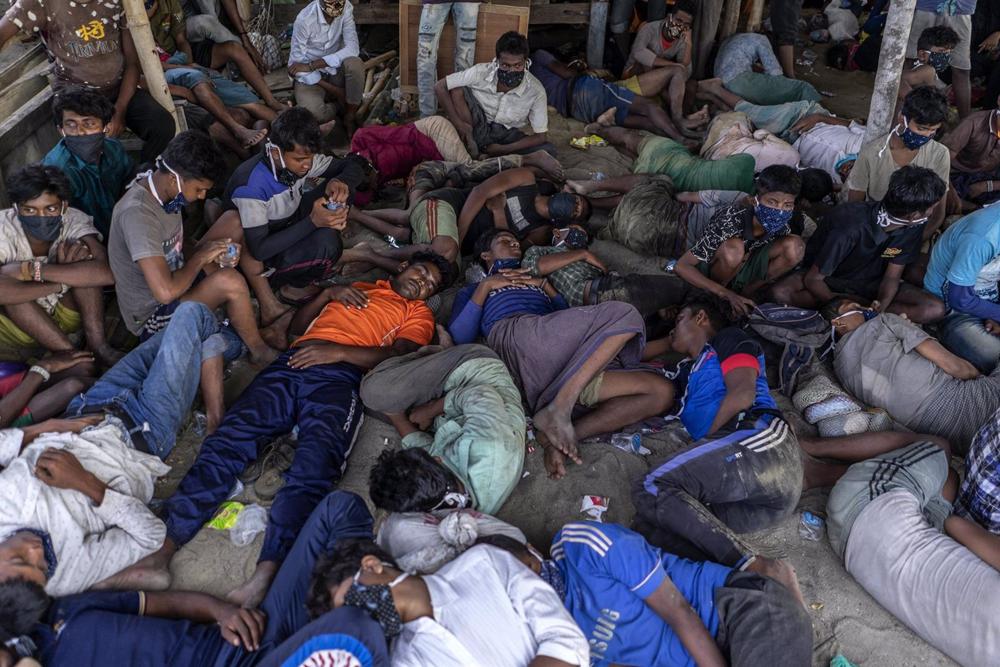
For this reason, Türk urged Malaysia, one of the countries where the largest number of deportations took place, as well as other states, to ensure that no Burmese asylum seeker is forcibly deported and, if they have to be, that their case is evaluated individually and that all due process standards are guaranteed.
«Deportations that take place after indefinite detention or detention in manifestly inadequate conditions are unlikely to be truly voluntary and should therefore be avoided,» remarked the UN, which since the military coup in 2021 in Burma has documented «numerous cases» of punishment and reprisals on those who were forced to return.
«People who have fled the country and who are considered by the military to oppose the coup risk being tortured in custody and sentenced to death,» says the UN, which is why Türk maintains that «now more than ever» states should refrain from these practices and give legal status to those fleeing the violence until Burma is a safe place.
Since the military junta’s February 1 coup in Burma, at least 70,000 people have fled the country and more than a million have had to flee their homes. In addition, one million Muslim refugees from the Rohingya community have found refuge in Bangladesh and millions of labor migrants are working abroad in an irregular situation.