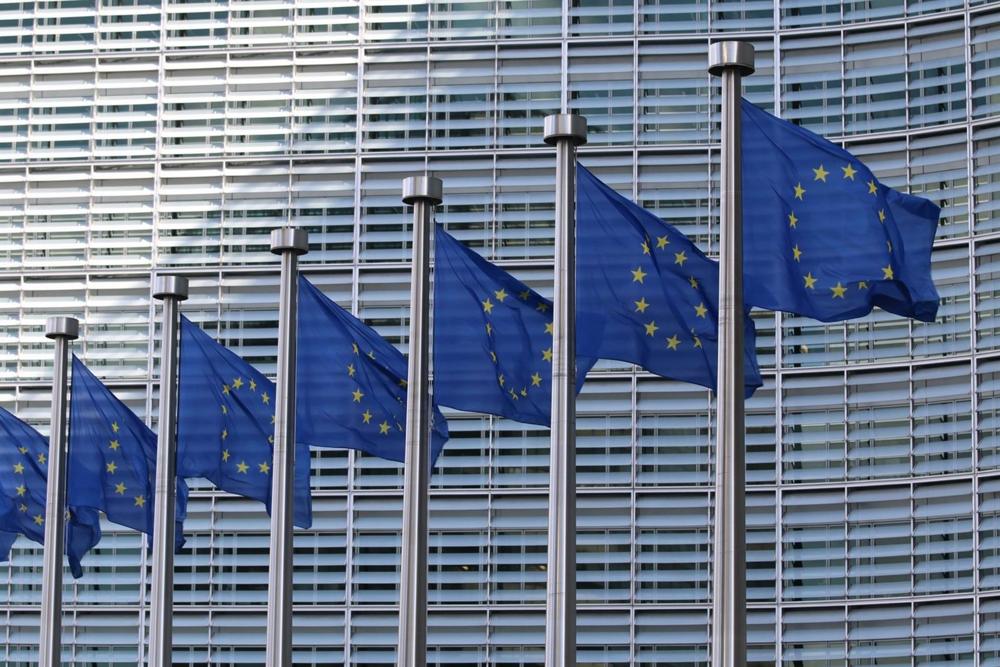
European Union member states increased defense spending in 2021 by 6 percent, according to the annual report of the European Defense Agency (EDA), which notes that by 2023 the EU-27 are expected to make up for the military underinvestment of the economic crisis years.
The Coordinated Annual Review on Defense (CARD) presented this Tuesday to EU defense heads reflects that defense spending grew significantly in 2021 to 214 billion euros, an advance of 6 percent over the previous year, and represents the paradigm shift due to the new security environment in Europe with the war in Ukraine and the renewed commitments of NATO allies.
With this outlook, spending commitments point to the EU having made up last year for the underfunding of Defense during the economic crisis, when it experienced a decade, from 2008 to 2018, of declining military spending.
«If the announced increases in Defense spending continue, it is possible that Member States will recover by 2023 from the under-spending of the financial crisis and be able to focus more on future Defense needs,» says the report, which estimates that an additional 70 billion in military spending is needed by 2025 to modernize Defense in Europe and close the existing gaps in military resources and assets.
JOINT SPENDING INCREASES BUT FAR FROM THE 35% TARGET Another of the most significant conclusions drawn by the report is that of joint military spending, which stood at 18 percent of total investments in 2021 in Europe. This is an improvement over the same figure for 2020, but falls far short of the 35 percent target for coordinated spending among member states.
«Cooperation remains the exception rather than the rule,» the report noted, on one of the workhorses of EU defense. In this line, it points out that there is a «clear risk» of spending being isolated in the medium and long term and suggests favoring joint investments in the longer term.
The EDA notes that cooperation takes place mainly between neighboring countries in existing frameworks, while collaboration in broader European schemes such as Permanent Structured Cooperation (PESCO) is not usually the preferred option.