The U.S. Government has announced the designation of four senior members of Al Qaeda in the Indian Subcontinent (AQIS) and Tehrik-i-Taliban Pakistan (TTP), known as the Pakistani Taliban, for their leadership roles in these terrorist organizations.
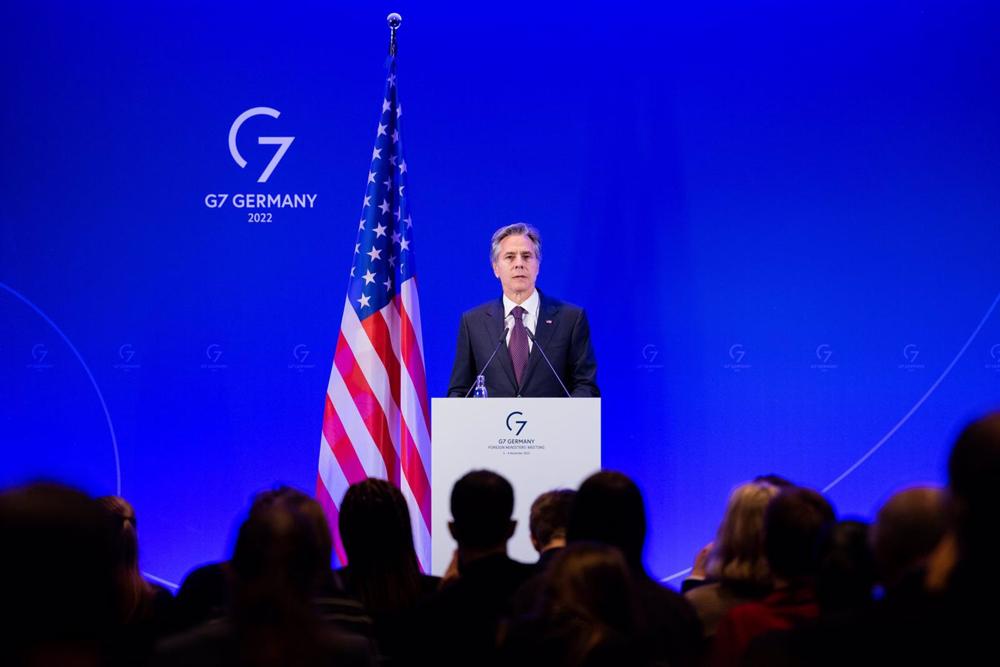
U.S. Secretary of State Antony Blinken detailed that those sanctioned are Osama Mehmud, ‘emir’ of AQIS; Atif Yahya Guri, ‘number two’ of AQIS; Muhamad Maruf, head of the recruitment branch of this group; and Qari Amjad, ‘number two’ of TTP and responsible for overseeing operations in Pakistan’s Khyber Pakhtunkhwa province.
«The United States is committed to using all of its counterterrorism tools to address the threat posed by terrorist groups operating in Afghanistan, including AQIS and TTP, as part of our tireless efforts to ensure that terrorists do not use Afghanistan as a platform for international terrorism,» he said.
Blinken emphasized that these measures «demonstrate that the United States will continue to use all tools to remain committed to ensuring that international terrorists cannot operate with impunity in Afghanistan,» according to a statement released by the State Department.
«As a result of these actions, all property and ownership interests of the designees that are subject to U.S. jurisdiction are blocked and all Americans are generally prohibited from engaging in any transactions with them,» he said.
The announcement comes just days after the TTP announced the end of the ceasefire in Pakistan and carried out several attacks, including a suicide bombing in the city of Quetta on a police vehicle carrying officers to protect the polio vaccination campaign, which killed four people.
The ceasefire had been in place for months amid a process of talks between the Pakistani authorities and the armed group, a process mediated by the Afghan Taliban, which in August 2021 seized power in the neighboring country after taking over the capital, Kabul.
The TTP, which differs from the Afghan Taliban in organizational matters but follows the same rigorist interpretation of Sunni Islam, brings together more than a dozen Islamist militant groups operating in Pakistan, where they have killed some 70,000 people in two decades of violence.