March 23 Movement (M23) rebels have vowed to continue to withdraw in an «orderly» manner from the areas they have occupied in northeastern Republic of Congo (DRC), particularly in the troubled North Kivu province, since the new offensive they launched in March last year, which has displaced thousands of people and caused serious diplomatic friction between countries in the region.
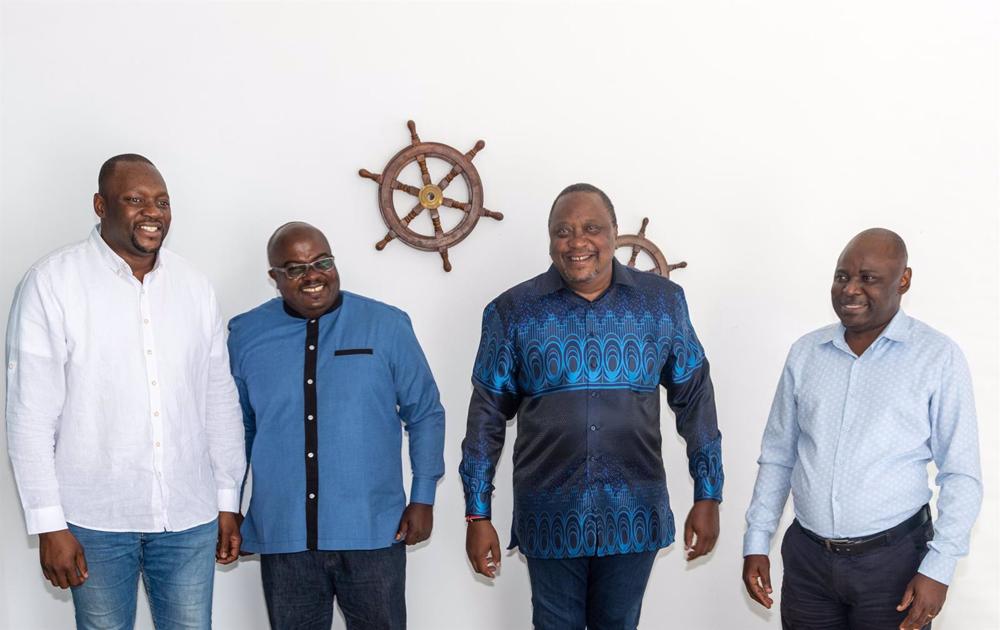
Former Kenyan President Uhuru Kenyatta is now one of the main international mediators to put an end to this conflict and last Thursday he met with a delegation of the M23 led by its political leader, Bertrand Bisimwa, in a meeting that ended with a positive result, according to both interlocutors.
«As a gesture of goodwill, and to demonstrate their intention to work on the situation in North Kivu, the M23 leaders agreed to continue their orderly withdrawal, to adhere to a strict ceasefire, and to continue to respect and cooperate with the East African Regional Force which has now begun to take control of the vacated areas,» according to a joint communiqué posted on Bisimwa’s Twitter feed, as well as in Congolese media.
The interlocutors also «take note» that the situation in North Kivu, the most volatile zone of the conflict, «has registered in the last four weeks some progress in the areas of security and stability», and assure that «many displaced persons have begun to return to their homes».
The meeting comes a week after the M23 confirmed it would withdraw from the eastern Congolese town of Rumangabo, which has a strategic military base, after seizing it in October as part of its offensive in the area.
The M23 has been accused since November 2021 of carrying out attacks against Army positions in North Kivu, despite the Congolese authorities and the M23 signed in December 2013 a peace agreement following fighting since 2012 with the Army, which was supported by UN troops.
The situation has led to a spike in tensions between DRC and Rwanda as Kinshasa accuses Kigali of supporting the rebels. UN experts stated in a recent report that the Rwandan authorities maintain a «direct intervention» in the African country through their support to the group.
Source: (EUROPA PRESS)