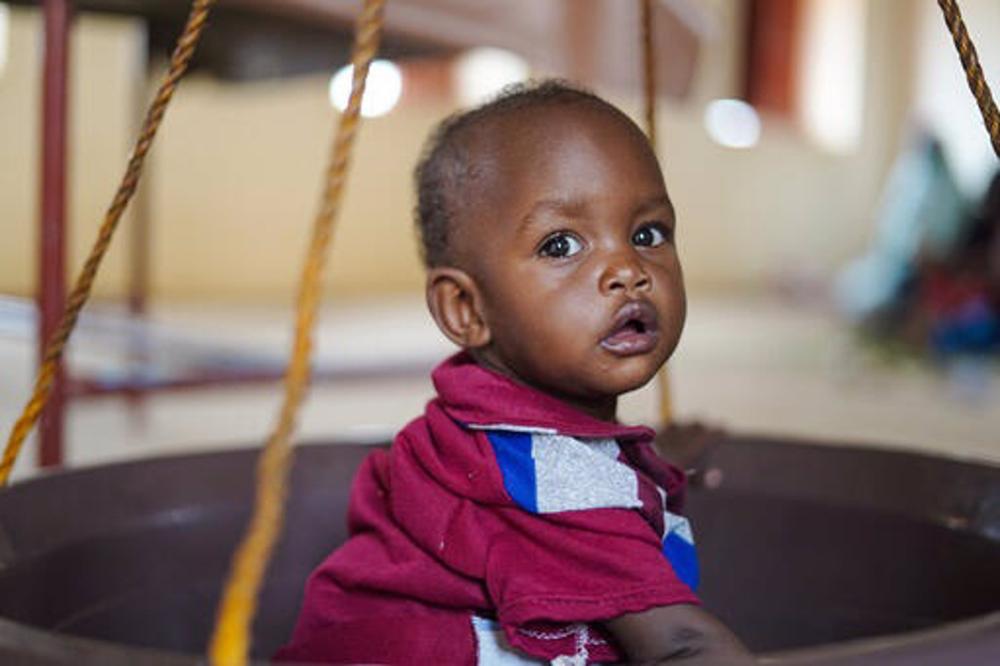
The United Nations Interagency Group for Child Mortality Estimation (IGME) reported Tuesday that more than five million children died before their fifth birthday and 2.1 million children and young people aged 5-14 lost their lives in 2021.
It has announced this in a report in which it has also detailed that 1.9 million babies were stillborn during the same period, highlighting that all these deaths could have been avoided with equitable access and high quality maternal, neonatal, child and adolescent health care.
«Every day, too many parents face the trauma of losing their children, sometimes before they even take their first breath,» stressed the director of UNICEF’s Division of Data Analysis, Planning and Monitoring, Vidhya Ganesh.
«Such a widespread and preventable tragedy should never be accepted as inevitable. Progress is possible with stronger political will and targeted investment in equitable access to primary health care for all women and children,» Ganesh added.
Nevertheless, the IGME report shows some positive results, including a decline in the risk of death at all ages globally since 2000. Also, the global under-five mortality rate has declined by 50 percent since the turn of the century.
Likewise, mortality rates in older children and young people have declined by 36 percent, while the stillbirth rate has fallen by 35 percent, a fact attributable to increased investment in strengthening primary health systems for the benefit of women, children and young people.
However, progress has slowed significantly since 2010, and 54 countries will not meet the Sustainable Development Goal target for under-five mortality, the document stresses.
Without swift action to improve health services, the agencies warn, nearly 59 million children and young people will die before 2030, and nearly 16 million babies will be stillborn.
«It is grossly unfair that a child’s chances of survival can depend solely on where he or she is born, and that there are such huge inequalities in access to life-saving health services,» said Anshu Banerjee, Director of Maternal Health at the World Health Organization (WHO).
«Children around the world need strong primary health care systems that meet their needs and those of their families, so that – regardless of where they are born – they have the best start and hope for the future,» he added.
According to the report, children’s chances of survival continue to differ greatly depending on where they are born.
For example, although sub-Saharan Africa accounted for only 29 percent of the world’s live births, the region was responsible for 56 percent of all under-five deaths in 2021. Meanwhile, South Asia accounted for 26 percent of the total.
Source: (EUROPA PRESS)