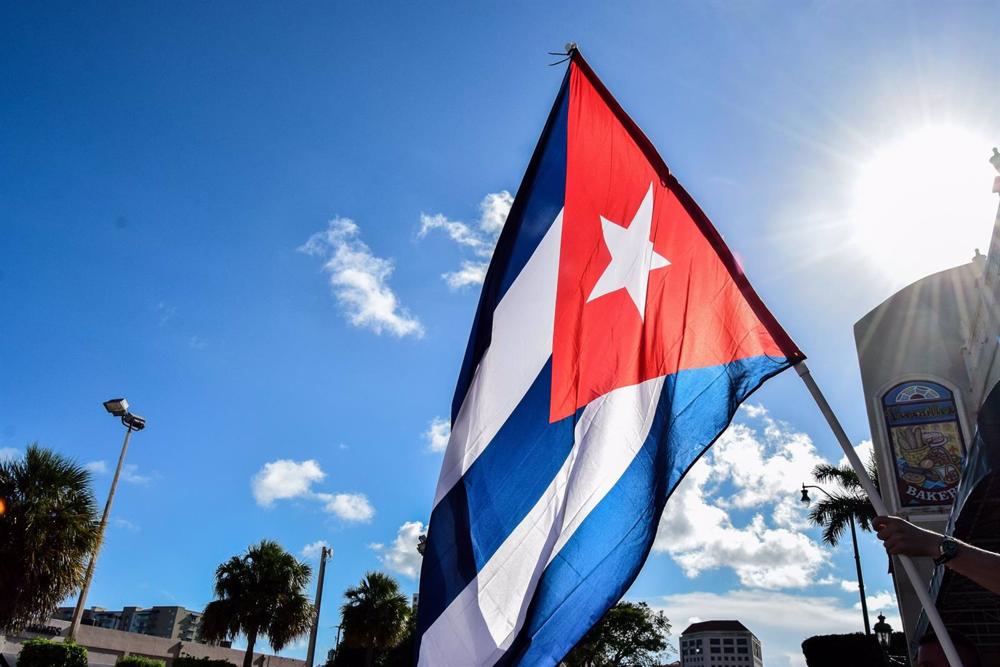
The U.S. Embassy in Cuba reported Wednesday that it has resumed much of its consular services for the first time since its suspension in 2017, when Washington decided to withdraw its diplomatic presence on the island after several diplomats fell ill after suffering from the well-known ‘Havana syndrome’.
The diplomatic legation has now confirmed that it will once again admit visa applications for Cuban migrants, although it will give priority to those citizens requesting permits to join their relatives in U.S. territory, as confirmed by state broadcaster NPR.
The resumption comes as the flow of migration from Cuba increases significantly, which has increased pressure on the Administration of U.S. President Joe Biden, who has made more legal avenues available to Cubans to access the country as he seeks to resume dialogue with the Cuban government despite historical disputes.
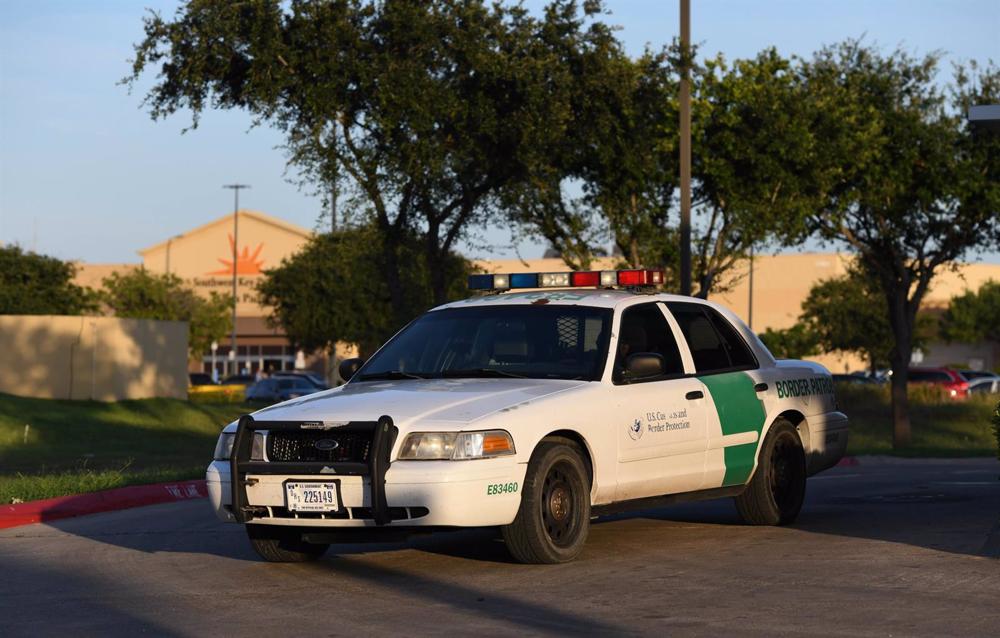
Washington now estimates that authorities will grant about 20,000 visas a year. In December, the U.S. government indicated that 34,675 Cubans had attempted to enter the country through the Mexican border in just one month, 21 percent more than the 28,848 who tried in October.
The numbers have been increasing over the months, and Cubans now form the second largest population group – after Mexicans – to gather at the southern border of the United States with the aim of seeking asylum.
At the end of 2021, the U.S. Federal Bureau of Investigation (FBI) acknowledged that some of its agents were suffering from the so-called ‘Havana syndrome’, in allusion to the alleged attacks that were first detected in the Cuban capital against U.S. agents and diplomats and whose cause would be, allegedly, in electromagnetic energy.
U.S. diplomats had been reporting the presence of symptoms since 2016, which raised doubts about the possibility that countries such as China or Russia were behind the cases.
Since then hundreds of U.S. diplomats, military personnel and senior officials have said they have been affected by the syndrome, which is characterized by symptoms such as dizziness, nausea, vertigo and migraines, among others. The U.S. State Department believes that diplomats may have been exposed to some unidentified acoustic attack, although they have not reached a definitive conclusion at this time.
Source: (EUROPA PRESS)