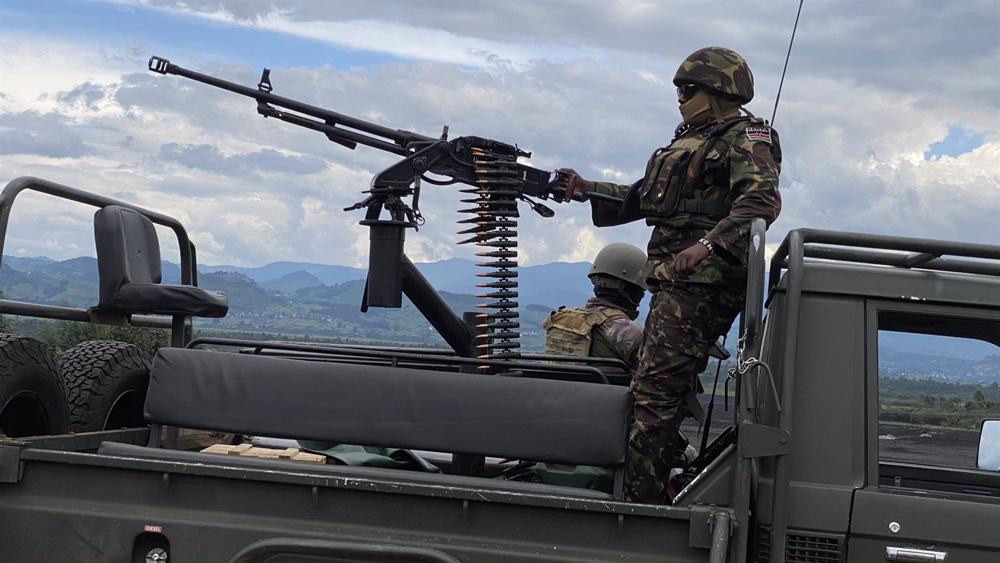
The rebel group March 23 Movement (M23) has confirmed that it will withdraw this Thursday from the town of Rumangabo, located in the east of the Democratic Republic of Congo (DRC) and which has a strategic military base, after taking it in October as part of its offensive in the area.
«The M23 will hand over on January 5, 2023 the military base of Rumangabo to the East African Regional Force (EACRF), as planned,» it said in a statement in which it also reiterated that it withdrew on December 23, 2021 from its positions in Kibumba, also located in the province of North Kivu.
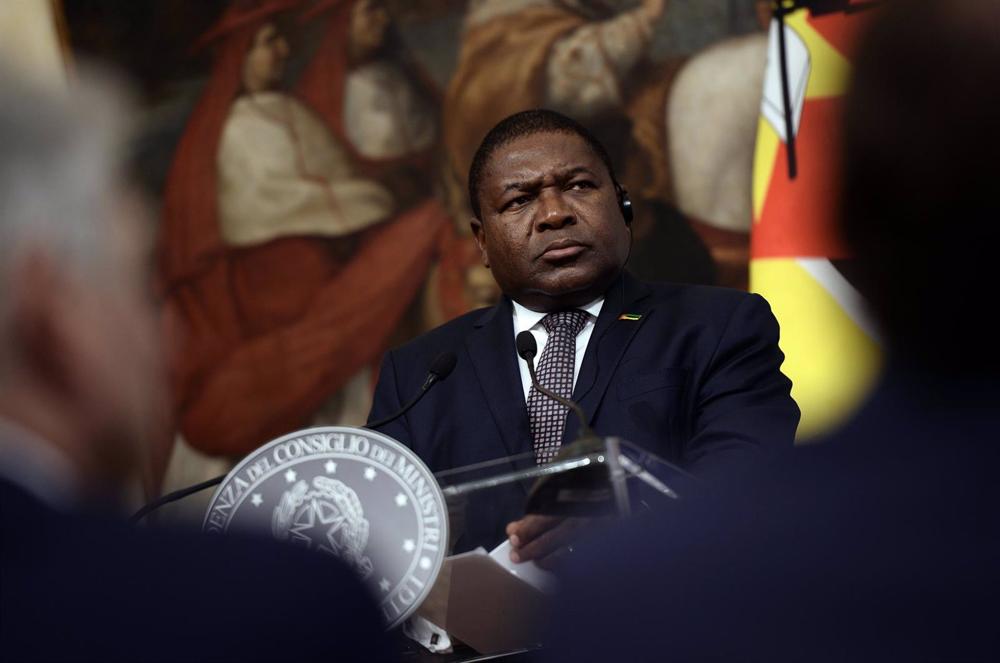
«The M23 remains committed to implement the resolutions of the Luanda mini-summit and gives its support to the endless efforts of the region to find peace in DRC,» he said in his statement, published through his account on the social network Twitter. The summit was attended by the presidents of the DRC and Rwanda, Felix Tshisekedi and Paul Kagame, respectively, and a ceasefire and a process for the withdrawal of the rebels was agreed upon.
Likewise, the group’s spokesman, Lawrence Kanyuka, condemned the «continued attacks by the DRC government coalition» against its positions and warned that it «will continue to defend itself and protect the civilian populations in the areas under its control».
Local sources quoted by the Congolese media have indicated that during the last two days the M23 has taken control of the localities of Kisharo and Nyamilima, while the group has denounced continued attacks by the Army and other militias, among them the Democratic Forces for the Liberation of Rwanda (FDLR), founded and composed mainly by Hutus responsible for the 1994 genocide in Rwanda.
On the other hand, the United States has said that it «shares the concerns» expressed in a recent report published by UN experts about the upsurge of violence in eastern DRC and Rwanda’s support for M23 operations.
«We expect the UN-sanctioned M23 to withdraw from the locations specified in the November 23 communiqué in Luanda, cease all hostilities, surrender weapons, and join the EAC-led consultation process between the government and armed groups in Nairobi,» the U.S. State Department said.
It also pointed to «clear evidence» of Kigali’s support for M23 and «credible reports of serious human rights abuses» by the rebels, and called on Rwanda to «cease all support for M23 and withdraw its troops from eastern DRC».
«We also denounce the collaboration between elements of the Congolese Armed Forces and other groups, including the FDLR, as indicated in the report. We strongly condemn the attacks by multiple armed groups against UN peacekeeping troops, as well as acts of torture, rape and civilian attacks by multiple armed actors, which contributed to massive displacement during the reporting period,» he said.
Finally, he warned of «the worrying increase in xenophobia and hate speech inciting violence against the Kiñuaruandaparlante community in DRC, as highlighted in the report. We call on the Congolese authorities to continue to speak out to condemn this discourse and hold accountable those who use violence,» he concluded.
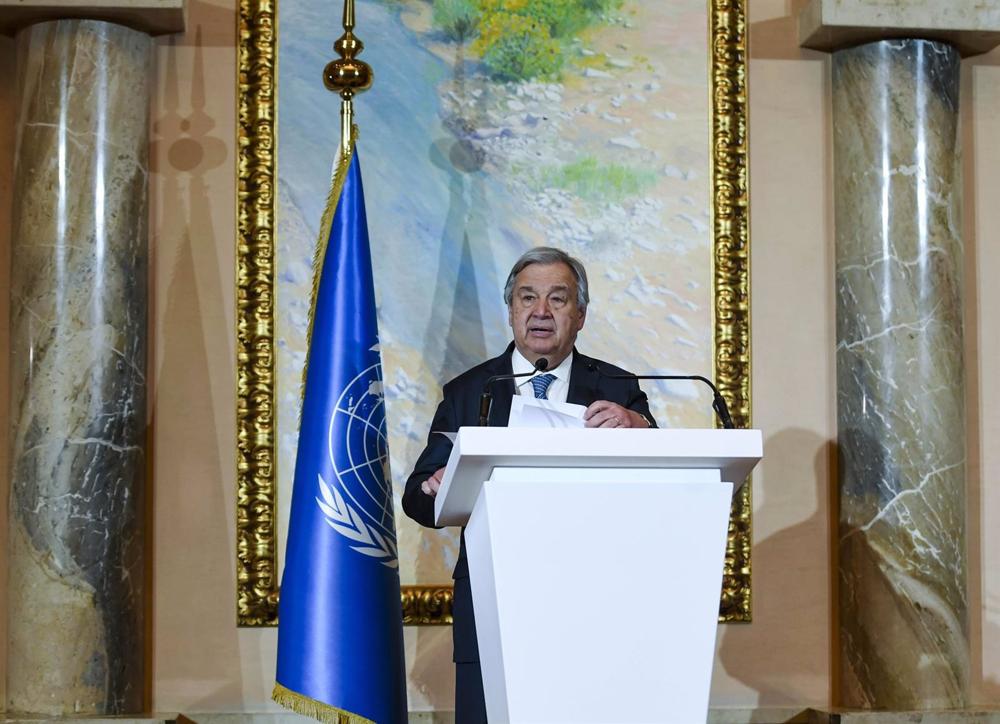
In another development, UN Secretary General António Guterres has appointed Brazilian Lieutenant General Otávio Rodrigues De Miranda Filho as the new Force Commander of the United Nations Mission in the DRC (MONUSCO), replacing Brazilian Marcos de Sá Affonso da Costa.
MONUSCO has been stationed in the northeast of the country for more than 20 years in an attempt to shore up peace in the face of the presence of some 130 armed groups fighting for control of the DRC’s vast natural wealth. In recent months there have been numerous protests and even attacks against the ‘blue helmets’ because of the growing insecurity, which has led Tshisekedi to ask the UN to «re-evaluate» MONUSCO’s withdrawal plan.
Source: (EUROPA PRESS)