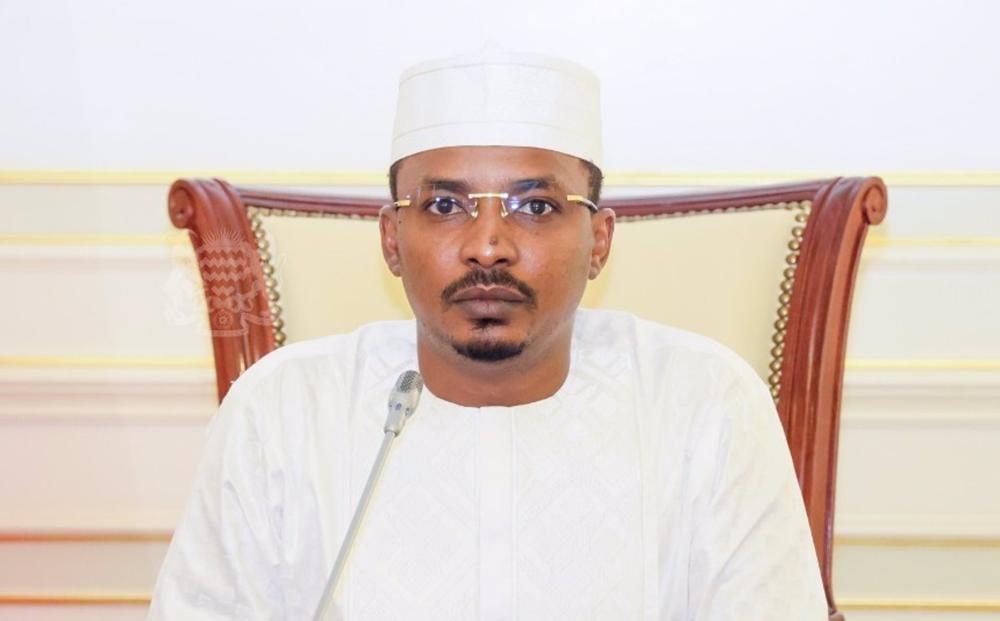
The head of Chad’s military junta, Mahamat Idriss Déby, has granted a pardon to almost all of the more than 260 people convicted in December for their participation in anti-government demonstrations in October in the African country.
»Another decree has been signed on March 27, 2023 by the transitional president granting a pardon to the demonstrators of October 20, 2022,» the Chadian Ministry of Justice has indicated in a message on its account on the social network Facebook.
It also published the documents associated with the decree signed by Déby, which include the names of the 259 beneficiaries of the measure. The Chadian courts sentenced 262 people to between two and three years in prison for their participation in the demonstrations.
The arrests were part of what the opposition describes as ‘Black Thursday’, in reference to the repression of the mobilizations of October 20 and several days after, which resulted in about 130 deaths, according to the balance published by the Chadian National Human Rights Commission.
The transitional authorities headed by Mahamat Idriss Déby spoke of »insubordination» and revolt following the protests and accused the opposition leader Succès Masra as one of the main instigators of the demonstrations. They also accepted the deployment of an international fact-finding mission to clarify what happened.
The move comes just three days after Chad’s president granted a pardon to 380 members of the rebel group Front for Alternation and Concord in Chad (FACT) convicted days earlier for the 2021 death of their father, Idriss Déby, in a gesture of rapprochement on the occasion of the Muslim commemoration of Ramadan.
Idriss Déby died after being hit by a gunshot while on the front lines in the north of the country in the face of a FACT offensive from its bases in southern Libya. Déby’s death led his son to take charge of the country by heading a military junta. Days before his death at the front, the electoral commission had confirmed the victory of the president in the elections held on April 11, 202.
Déby, who came to power in 1990 through a coup d’état against the dictator Hissène Habré, had since won every election and twice amended the Constitution to allow him to continue to stand at the polls, including one in 2005 to end the two-term limit, reimposed in 2018, without being affected.
Source: (EUROPA PRESS)