The Government of Chad has reaffirmed Tuesday its version of what happened during the political violence unleashed on October 20, where some 50 people were killed and more than 300 injured, and has stressed that what happened responds to an «insubordination» rather than a peaceful protest.
Pending the conclusions of an investigation into what happened, the Executive has already outlined its main arguments and will seek to defend that the protests in the capital, N’Djamena, and other major cities were an operation promoted by the opposition to trigger a popular uprising.
According to the government spokesman, Aziz Mahamat Saleh, the security authorities tried to quell the protests in those days, although they were met with armed youths who attacked the residence of the president of the National Assembly or a police station, among other buildings, reports Radio France Internationale.
According to Mahamat Saleh, the main slogan of the mobilization was to «make the country ungovernable and divide Chad», even if this meant resorting to «insurrectional means». «When you attack the residence of the president of the National Assembly, a military camp or a police station, it is really anything but a peaceful demonstration,» he said.
Chadian authorities have collected photographs and official documents to back up their version and point to opposition leader Succès Masra as one of the main instigators of what they consider to be a revolt.
Likewise, N’Djamena has assured that the police «acted in self-defense» and that, «in the face of an unexpected and absurd situation, they could not contain themselves (…) and what had to happen happened».
The Chadian authorities announced on Monday that they accepted the deployment of an international fact-finding mission to clarify what happened during the violence in mid-October.
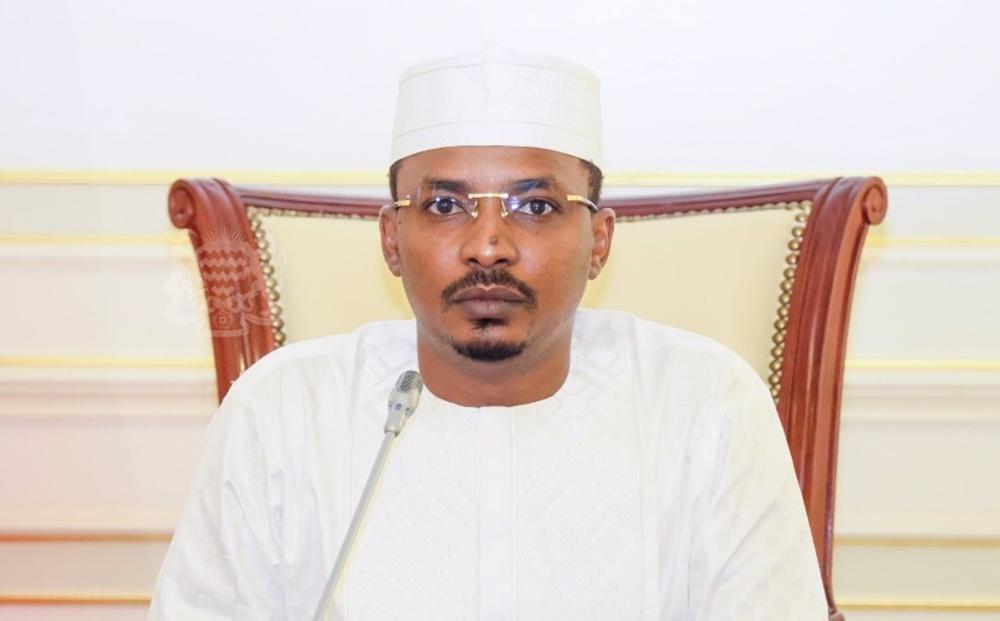
The leader of Chad’s junta, Mahamat Idriss Déby, has previously described those protests as an «organized insurrection» supported by «foreign powers» and accused the demonstrators of «cold-bloodedly killing civilians and murdering members of the security forces» with a view to generating a «civil war».
The protests erupted after the junta decided to extend for another two years the mandate of Déby, who initially planned to step down to return power to a civilian government. He was appointed president by the army in 2021 following the death of his father, Idriss Déby Itno, who had led the country since 1990.