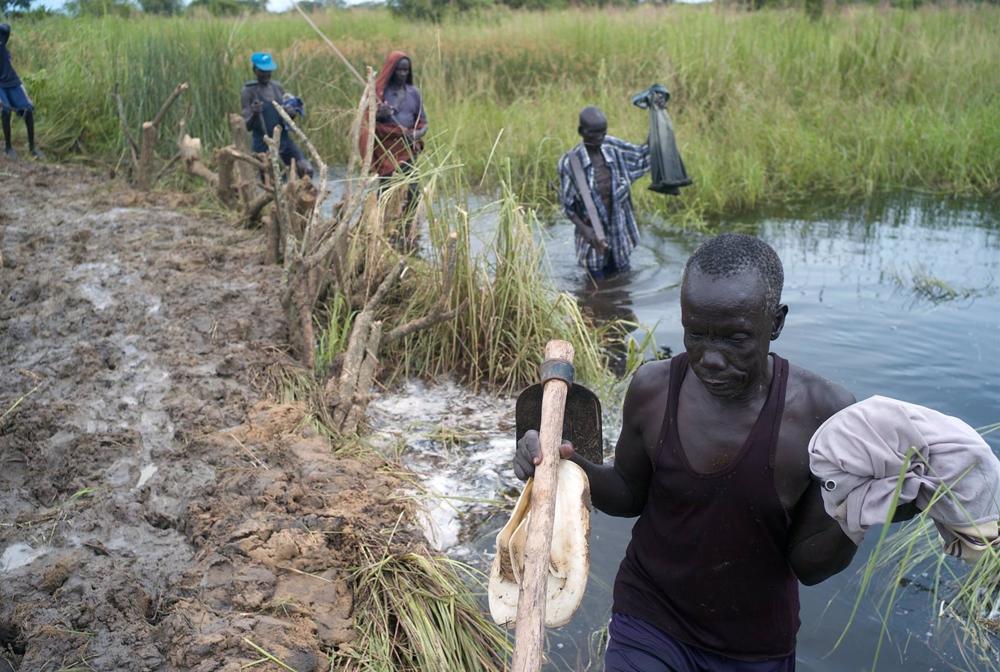
At least 60 people have been killed, many of them women and children, in a series of new clashes in recent days between communities in Pibor Administrative Area and Jonglei State in northern South Sudan, an area affected by a spike in such incidents in recent months.
A spokesman for the regional parliament told DPA that another 20 or so people have been injured since Sunday, when hundreds of fighters from a Jonglei youth militia attacked the area.
Pibor Information Minister Abraham Kelang Jiji said the clashes, which he called «barbaric», broke out in the village of Lanam and then spread to other towns in Lekuangole county, according to South Sudanese broadcaster Eye Radio.
The regional parliament spokesman said that several villages near Pibor, about 350 kilometers northeast of the capital Juba, have been looted and burned by gunmen in attacks that are still active.
The United Nations last week expressed its «deep concern» over calls for the mobilization of members of the Nuer community in Greater Jonglei and warned that it could lead to «massive attacks» against the population in this area of South Sudan.
The United Nations Assistance Mission in South Sudan (UNMISS) said in a statement that «these mobilizations have the potential to trigger violent attacks that severely impact civil society» and said that «any upsurge in conflict would undermine the progress towards peace achieved by contacts between leaders of Jonglei State and the Greater Pibor Administrative Area (GPAA).»
South Sudan has a unity government that was launched following the materialization of the 2018 peace agreement between President Salva Kiir and rebel leader Riek Machar, which resulted in the latter returning to the post of first vice president of the African country.
Despite the decrease in violence due to the political conflict, the country has recorded an increase in inter-communal clashes, mainly motivated by cattle rustling and disputes between pastoralists and farmers in the most fertile areas of the country, especially due to the increase in desertification and the displacement of populations.
Source: (EUROPA PRESS)